
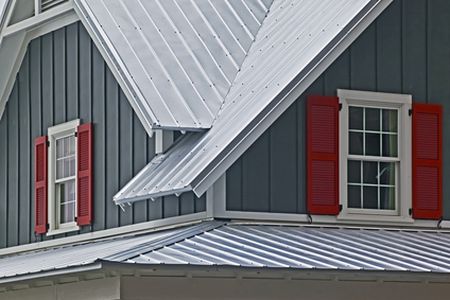
Peeling or bubbling paint that returns after repainting usually points to moisture coming from behind the surface. Pay special attention below windows, at roof-to-wall intersections and near decks or porches attached to the house.
Siding that looks wavy, cupped or separated may have lost its fastening surface. Press gently at suspicious spots; movement or softness can indicate damaged siding, sheathing or studs beneath it.
Open joints and missing flashing are common entry points. Horizontal trim ledges, window heads, utility penetrations and the bottom of siding need details that shed water outward rather than channeling it into the wall.
Inside the house, a musty odor, staining near exterior walls, loose trim or insect activity can connect to an exterior failure. The visible symptom may be several feet away from the actual opening because water follows framing.
A lasting repair means opening enough of the wall to reach sound wood, correcting the flashing or drainage detail, and then rebuilding with compatible materials. Covering decay with new siding creates a cleaner appearance but leaves the structural problem in place.